AI Cameras Changing Home Protection
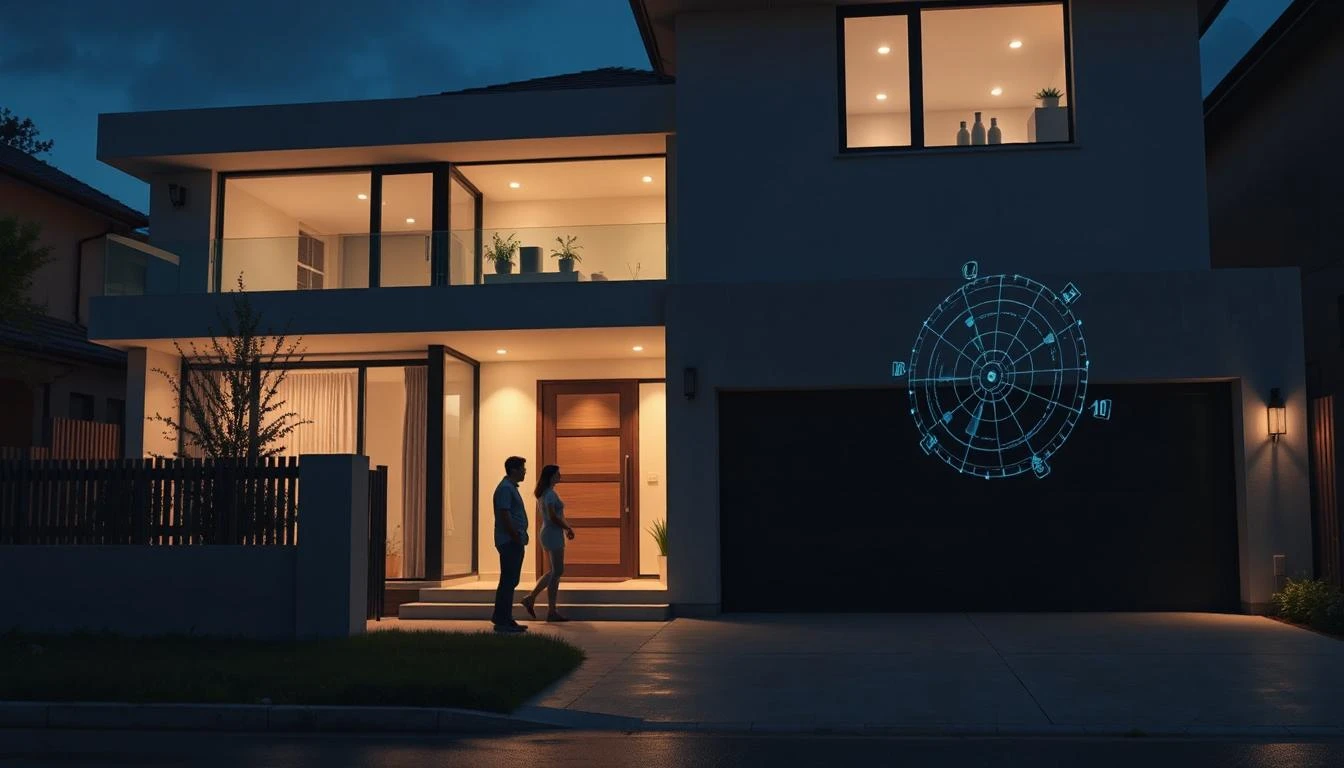
The way people protect their homes is changing faster than ever. A few years ago, security cameras simply recorded footage and stored it for later review. Today, AI-powered systems can recognize unusual behavior, send instant alerts, and even learn daily activity patterns inside a property. This shift is turning ordinary houses into responsive living spaces that feel smarter, safer, and more connected. As modern homeowners become more aware of digital risks and physical threats, AI surveillance is no longer viewed as a luxury feature. It is becoming part of everyday home improvement.
At the center of this transformation are intelligent home surveillance systems, technologies designed to combine machine learning, real time monitoring, and predictive security into one ecosystem. Instead of waiting for incidents to happen, these systems actively analyze movement, detect suspicious activity, and help homeowners respond faster. Security expert Bruce Schneier once explained that “security is a process, not a product,” and that idea perfectly reflects how AI cameras are reshaping modern protection strategies. People are no longer investing only in devices. They are investing in smarter decision-making inside their homes.
AI Powered Home Surveillance Evolution
Home surveillance has evolved from passive monitoring into intelligent automation. AI cameras now work as active security assistants capable of identifying patterns, recognizing faces, and filtering unnecessary alerts. This development has completely changed how families approach safety because protection no longer depends only on human observation. Cameras can now interpret situations in real time and provide faster responses when unusual activity appears.
At the same time, advanced surveillance protection trends are pushing manufacturers to create smarter ecosystems that integrate cloud storage, predictive analysis, and connected home automation. Homeowners today want more than basic recording features. They want systems that understand context, reduce false alarms, and provide instant access from anywhere through mobile devices.
Real time motion detection systems
One of the most important breakthroughs in AI security technology is real time motion detection. Traditional cameras often triggered alerts for harmless movement such as rain, pets, or tree branches. Modern AI systems use behavioral analysis and object recognition to separate genuine threats from normal environmental activity.
Facial recognition security technology
Facial recognition technology has transformed how homeowners identify visitors and monitor entry points. This creates a more personalized security experience while improving convenience and response time. Technology analyst Kai-Fu Lee once stated that “artificial intelligence is the new electricity,” highlighting how AI quietly powers daily life without most people realizing how deeply integrated it has become. That reality is especially visible in modern residential security.
Cloud based video monitoring
Cloud based monitoring has become another major advancement in AI surveillance. Older security systems depended heavily on local storage devices that could be damaged, stolen, or corrupted. Cloud technology allows footage to be stored securely online with encrypted access and remote playback options.
Smart Features Transforming Home Security
Smart home security is no longer limited to cameras mounted above doors or garages. AI technology now connects surveillance systems with voice assistants, smart locks, lighting controls, and mobile applications to create a fully integrated security environment. These innovations are making home protection feel more intuitive and proactive rather than reactive.
AI threat prediction capabilities
AI threat prediction is one of the most fascinating developments in home security. By analyzing behavioral data and movement patterns, AI cameras can detect activities that appear abnormal or potentially dangerous. Repeated late-night movement near entry points, for instance, may trigger elevated alerts or activate additional security measures automatically.
Voice controlled security integration
Voice controlled integration has made smart home security more accessible and convenient. Homeowners can activate cameras, lock doors, review footage, or control alarm settings through voice commands connected to smart assistants.
Remote monitoring through mobile apps
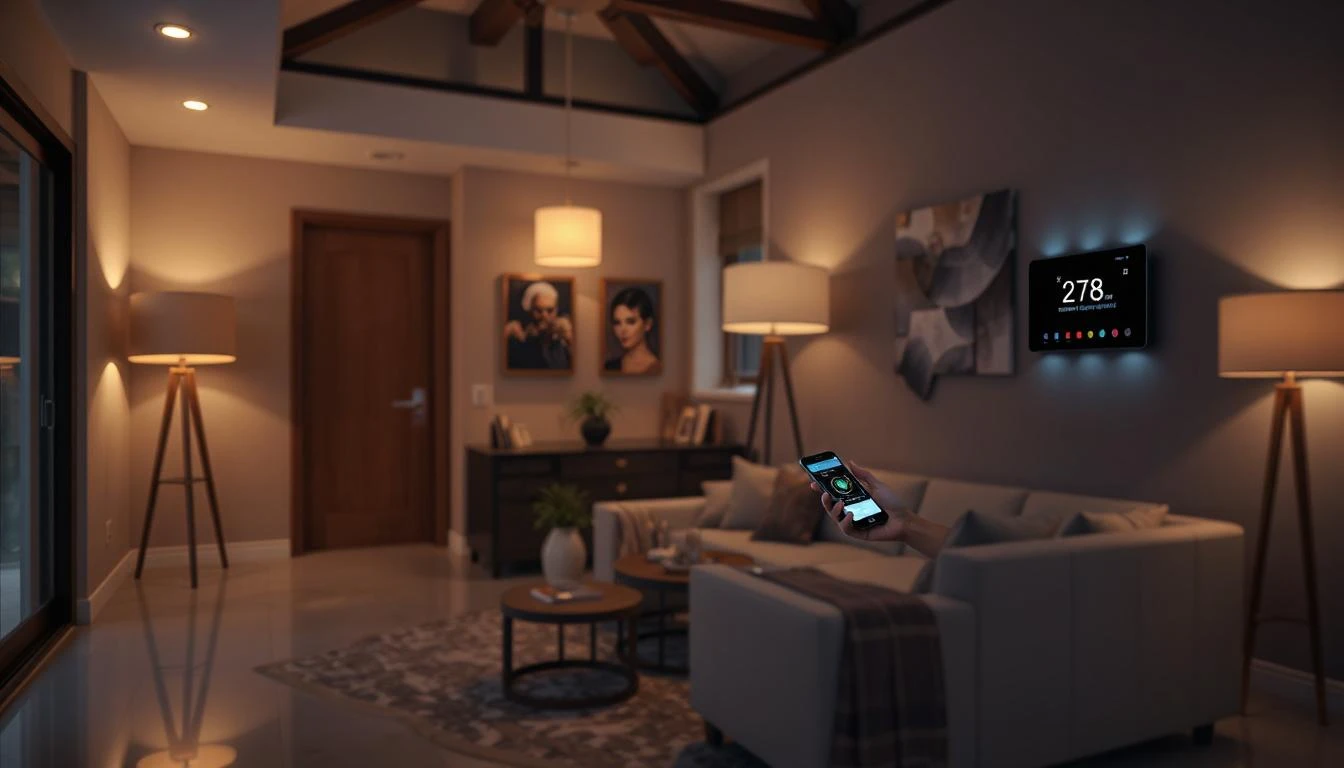
Remote monitoring through mobile apps has changed the relationship between homeowners and their security systems. People no longer need to stay physically present to know what is happening around their property. AI-enabled applications provide instant notifications, live video access, and real time communication features directly through smartphones.
Privacy and Security Challenges
As AI cameras become more intelligent, concerns surrounding privacy and cybersecurity continue growing. While these systems provide stronger protection, they also collect sensitive data related to movement patterns, facial recognition, and personal routines. This creates an important conversation about balancing convenience with digital responsibility.
Data protection concerns
AI surveillance systems process large amounts of personal information every day. Video footage, biometric identification, and behavioral analytics all require secure handling to prevent unauthorized access. This is why homeowners should prioritize systems that provide encrypted storage and transparent privacy policies.
Cybersecurity risks in smart cameras
Cybersecurity remains one of the biggest challenges in connected home environments. Weak passwords, outdated firmware, and unsecured networks can create opportunities for hackers to gain access to surveillance systems. Once compromised, smart cameras may expose private footage or allow cybercriminals to interfere with connected devices.
Ethical concerns of AI surveillance
The rise of AI surveillance has also created ethical debates about monitoring and personal privacy. Some critics worry that constant observation may normalize excessive data collection inside private spaces. Others question how facial recognition technology should be regulated to prevent misuse or bias. These concerns continue shaping discussions around responsible AI implementation.
Upgrade Your Home Protection with AI Security
Modern home security is no longer just about reacting after something goes wrong. AI cameras are transforming protection into something faster, smarter, and more predictive. From facial recognition to remote monitoring and cloud based intelligence, these systems are helping homeowners create safer living spaces that adapt to changing risks in real time. As technology continues evolving, the biggest advantage of AI surveillance may not simply be better cameras. It is the ability to combine awareness, automation, and convenience into one seamless experience that supports everyday life. If you want stronger protection and smarter control over your living environment, AI security systems are quickly becoming one of the most valuable upgrades for the modern home.