Smart Alarm Trends For Modern Homes
Modern homes are no longer satisfied with traditional alarm systems that only make noise after danger appears. Homeowners today expect security technology that can think faster, respond smarter, and integrate naturally into everyday routines. As connected living continues to grow, smart alarm systems are becoming one of the most important investments for creating safer and more efficient homes. People want protection that feels proactive instead of reactive, especially when modern lifestyles depend heavily on automation and remote access.
The rapid evolution of intelligent alarm monitoring systems is changing how families approach home protection in 2026. Instead of relying on outdated standalone devices, many homeowners are turning toward AI-driven security ecosystems capable of real-time monitoring, predictive threat detection, and seamless smartphone control. According to security technology expert Bruce Schneier, “connected security devices must prioritize both convenience and digital safety because smart homes are becoming increasingly attractive targets for cyber threats.”
Evolution of Smart Alarm Technology
Smart security technology has evolved dramatically over the last few years. Alarm systems are no longer limited to simple sensors and loud sirens mounted near the front door. Today’s homeowners are looking for systems that can learn household behavior, automate responses, and communicate instantly across multiple devices. This shift has become one of the biggest drivers behind modern monitoring security trends, especially as smart homes continue becoming more connected and data-driven.
AI based alarm detection systems
Artificial intelligence is transforming modern home security into something far more advanced than traditional monitoring systems. AI-powered alarm platforms can now differentiate between pets, environmental movement, delivery activity, and genuine security threats with impressive accuracy. Instead of triggering unnecessary alerts every few hours, these systems analyze movement patterns and behavioral anomalies before deciding whether a threat is real.
Wireless alarm installation trends
Wireless technology has completely changed how homeowners install and upgrade security systems. Older alarm setups often required complicated wiring, wall modifications, and professional installation costs that discouraged many people from improving their home security.
Smart sensors for home security
Modern smart alarms rely heavily on intelligent sensor technology. These sensors now monitor far more than doors and windows. They can detect smoke, broken glass, water leaks, temperature fluctuations, unusual motion, and even carbon monoxide exposure.
Advanced Features in Modern Alarm Systems
As homeowners become more dependent on connected devices, security systems are evolving to provide deeper integration and smarter automation. Modern alarm technology is no longer designed only for emergency situations. It is also built to improve convenience, accessibility, and day-to-day peace of mind through seamless digital experiences.
Real time smartphone notifications
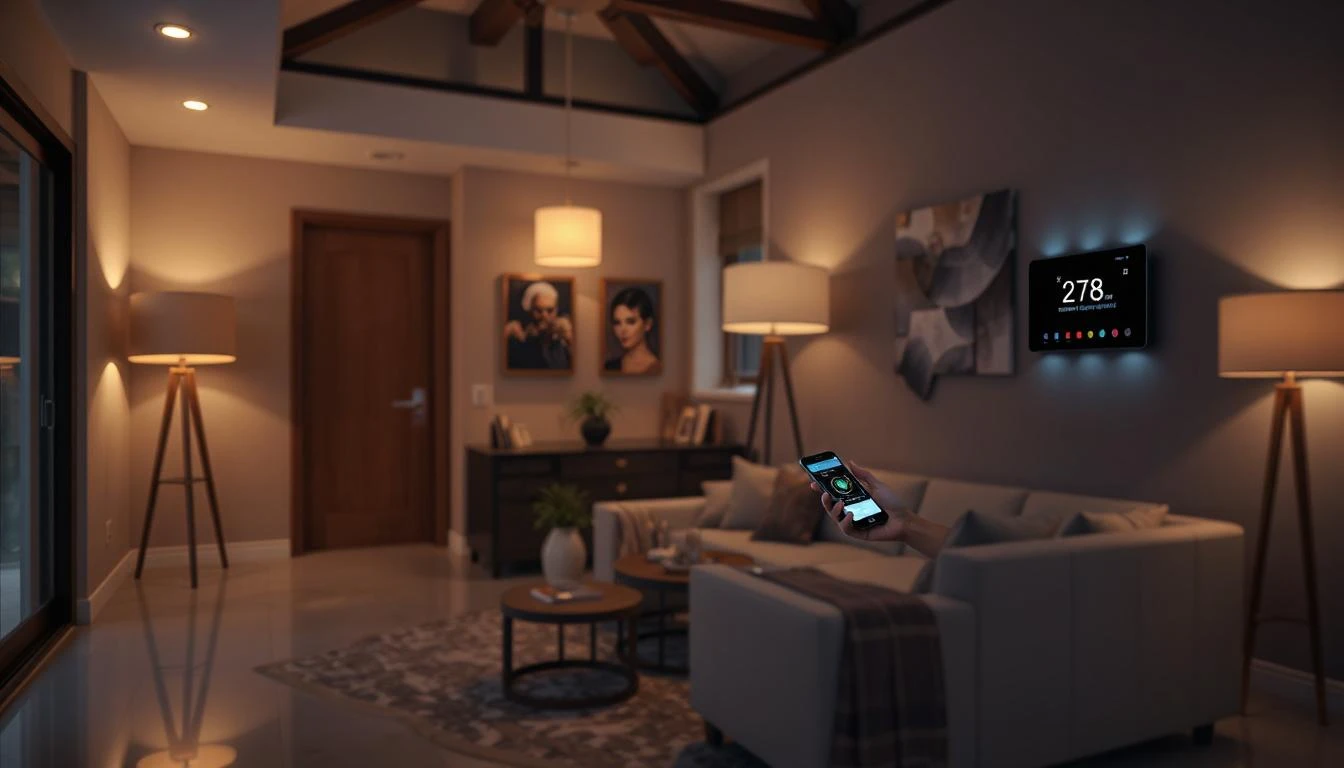
One of the most important features in modern smart alarms is real-time smartphone communication. Homeowners can now receive instant notifications when suspicious movement, unauthorized entry, or environmental hazards are detected.
Integration with smart home ecosystems
Smart alarm systems are becoming deeply connected with larger smart home environments. Today’s systems can communicate with smart locks, cameras, lighting systems, voice assistants, and automated thermostats at the same time. Technology researcher Adam Greenfield once explained that “connected homes are evolving into responsive environments capable of adapting dynamically to human behavior.” That observation is becoming increasingly visible inside modern security systems where automation now plays a major role in everyday comfort and protection.
Voice activated emergency controls
Voice control is becoming an increasingly valuable feature in smart security systems. During emergencies, reaching a smartphone or wall control panel may not always be possible. Voice-activated emergency commands help homeowners respond faster under pressure.
Future Challenges and Opportunities
Despite rapid innovation, smart alarm technology still faces several important challenges. Homeowners want smarter security systems, but they also expect reliability, privacy protection, and fewer operational frustrations. The future of home security will depend on how effectively companies solve these concerns while continuing to improve automation and connectivity.
Reducing false alarm incidents
False alarms remain one of the biggest frustrations in residential security. Repeated unnecessary alerts can reduce trust in alarm systems and create complacency over time. To solve this problem, many companies are investing heavily in AI-based detection models capable of understanding contextual movement more accurately. Facial recognition, object analysis, and adaptive motion tracking are helping systems distinguish between harmless activity and legitimate threats.
Improving alarm response automation
Modern alarm systems are becoming increasingly automated. Instead of waiting for human interaction, future systems may independently contact emergency services, activate indoor lighting routes, or coordinate with nearby connected devices during emergencies.
Cybersecurity for connected alarm systems
As homes become more connected, cybersecurity risks continue growing alongside convenience. Smart alarm systems connected to cloud networks can become vulnerable to hacking attempts, surveillance breaches, and unauthorized access if security standards are weak. This concern has made encryption, multi-factor authentication, and regular software updates essential for modern security platforms. Homeowners are becoming more aware that digital protection matters just as much as physical protection.
Strengthen Modern Home Safety with Smart Alarms
The future of residential protection is becoming smarter, faster, and far more connected than many homeowners imagined just a few years ago. Smart alarms are no longer optional gadgets designed only for luxury homes. They are evolving into essential systems that help families feel safer, more informed, and more prepared for unexpected situations. As connected living continues expanding, homeowners who invest in intelligent security technology today will likely benefit from stronger protection, better automation, and greater long-term convenience. You do not need to transform your entire house into a futuristic laboratory overnight, but upgrading your security system can become one of the most impactful home improvement decisions you make. Smart protection is no longer just about reacting to danger. It is about creating a home environment that actively works to keep you safe every single day.