
Easy Safety Habits For Smart Homes
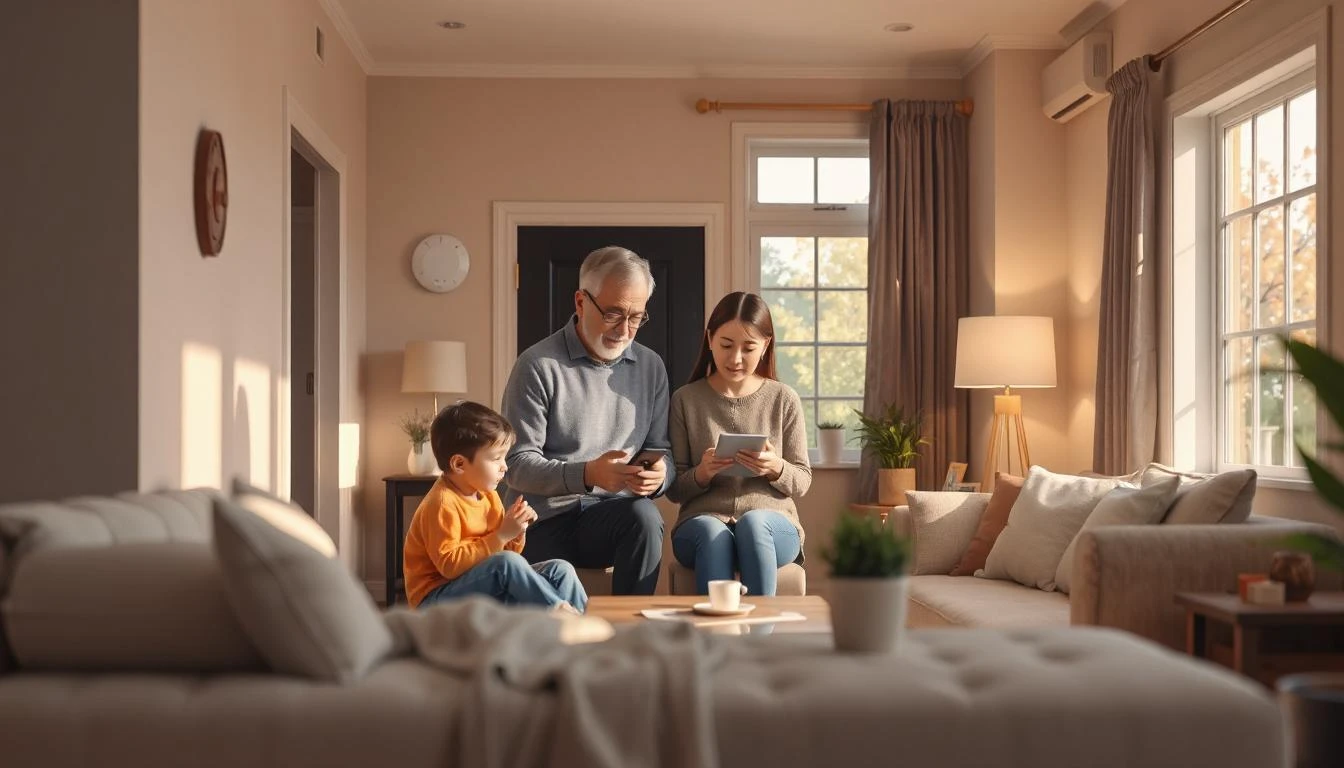
Smart homes are no longer futuristic concepts sitting inside luxury properties or technology expos. Today, connected lighting, AI-powered cameras, voice assistants, and remote-controlled security systems quietly shape how families live every single day. Convenience feels exciting at first, but many homeowners rarely stop to think about how vulnerable these systems can become when simple safety routines are ignored. A connected home may look secure from the outside, yet one neglected setting or outdated password can silently create digital risks hiding behind everyday comfort.
As more families adopt smart home safety routines, the conversation around home improvement is shifting beyond aesthetics and automation. People now want homes that are not only intelligent, but also resilient, private, and trustworthy. Cybersecurity expert Bruce Schneier once explained that “security is a process, not a product,” and that idea perfectly matches the reality of modern living. Smart homes do not stay safe simply because expensive devices are installed. Protection grows through consistent habits, awareness, and practical decisions repeated over time.
Daily Smart Home Safety Awareness
Modern households rely heavily on connected technology, but many users still underestimate how much personal information flows through smart devices every day. From schedules and voice recordings to WiFi activity and location tracking, connected systems constantly exchange data in the background. This is exactly why homeowners are becoming more interested in connected safety habit strategies that feel practical instead of overly technical.
Creating strong password routines
Passwords remain one of the weakest points inside many connected homes. Surprisingly, thousands of users still rely on predictable combinations such as birthdays, repeated numbers, or the same password across multiple devices. That habit may seem harmless until unauthorized access suddenly appears through a camera, smart lock, or connected application.
Creating stronger password routines means using unique credentials for every smart device and enabling two-factor authentication whenever possible. Password managers also help homeowners organize secure logins without relying on memory alone. These simple changes dramatically reduce the chance of unauthorized access while improving long-term household protection.
Managing connected device access
Most smart homes slowly accumulate unnecessary device connections over time. Old smartphones stay linked to WiFi networks, forgotten tablets still have control permissions, and guest accounts remain active long after visitors leave. The problem is not always visible, which makes it dangerous.
Monitoring unusual device activity
Sometimes smart devices show subtle warning signs before larger security issues appear. Lights turning on unexpectedly, strange login notifications, or cameras responding without commands may indicate suspicious activity that should never be ignored. Monitoring unusual behavior helps homeowners react quickly before problems escalate. Many smart platforms now provide device history logs and security alerts that reveal unusual login attempts or abnormal usage patterns.
Preventive Security Habits for Families
Building a secure smart home is not only the responsibility of one person. Every family member contributes to household safety through everyday decisions, whether they realize it or not. Children, teenagers, and older adults all interact differently with connected technology, which makes communication and consistency incredibly important.
Updating smart device software
Software updates may seem annoying, especially when notifications appear during busy moments, but they remain one of the strongest security protections available today. Manufacturers regularly release updates to fix vulnerabilities discovered by cybersecurity researchers. Cybersecurity researcher Troy Hunt has repeatedly emphasized that “outdated systems often become easy entry points for attackers because users underestimate the importance of routine maintenance.” That warning feels increasingly relevant as more homes depend on interconnected devices every year.
Securing home WiFi networks
A secure smart home begins with a secure WiFi network. Every connected device inside the house depends on the router, making it one of the most critical parts of household cybersecurity. Yet many users still leave default passwords unchanged or continue using outdated encryption standards.
Teaching digital safety at home
Technology awareness should become part of normal household conversations. Children using tablets, teenagers connecting gaming devices, and older adults navigating smart systems all benefit from understanding basic digital safety principles.
Building Long Term Smart Home Protection
Many homeowners focus only on immediate convenience without thinking about long-term security sustainability. Smart home protection should evolve continuously because connected technology changes rapidly every year. New devices, applications, and automation features constantly introduce new opportunities as well as new vulnerabilities.
Using backup security systems
Relying entirely on automated systems can become risky during internet outages, power failures, or technical malfunctions. Backup solutions provide an additional layer of protection when connected devices temporarily stop functioning.
Reducing smart device vulnerabilities
Every connected gadget inside the home creates another possible access point. That reality makes it important to reduce unnecessary exposure whenever possible. Homeowners should disable unused features, remove inactive devices, and research privacy policies before purchasing new technology products.
Organizing emergency response plans
Even well-protected smart homes should prepare for unexpected situations. Emergency planning helps families respond calmly and efficiently when suspicious activity or technical failures occur. Simple preparations such as keeping backup login information, storing offline contact numbers, and learning how to disconnect compromised devices can save valuable time during stressful moments.
Start Building Safer Smart Home Habits Today
The future of home improvement is no longer only about elegant interiors or advanced automation. It is also about creating living spaces that feel secure, dependable, and prepared for the realities of connected life. Smart homes offer incredible convenience, but convenience without awareness can quietly create risks many families never notice until problems suddenly appear.
When you consistently improve passwords, update devices, secure WiFi networks, and teach digital awareness at home, you are building more than a connected environment. You are creating a safer lifestyle that protects routines, privacy, and peace of mind in ways many homeowners rarely think about until it becomes urgent. The smartest homes are not always the ones filled with the most expensive devices. Often, they are simply the homes where people practice safer habits every single day and stay aware of how quickly technology continues changing around them.