Future Smart Devices For Daily Life
Smart Living Technology Trends
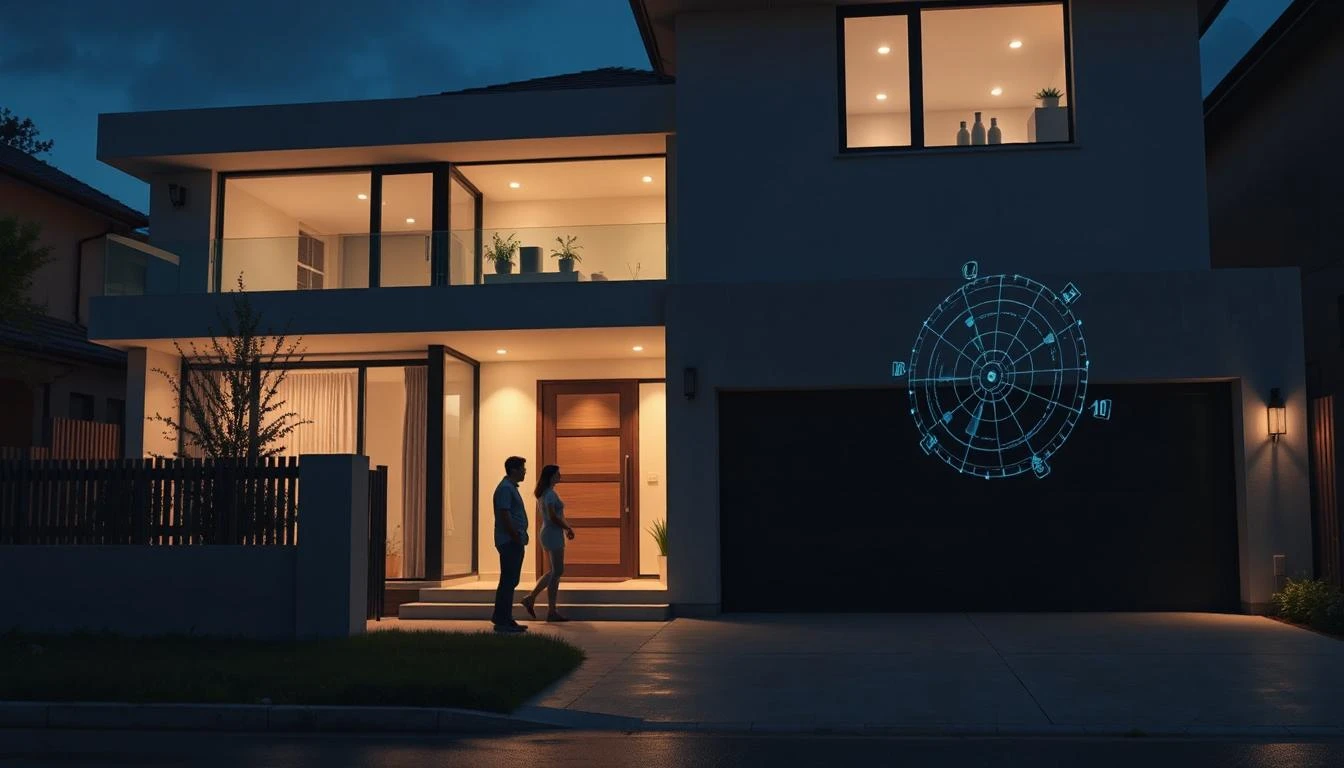
Homes are no longer just places to rest after a long day. They are gradually transforming into intelligent environments capable of adapting to routines, understanding habits, and simplifying countless daily activities through a growing future living device ecosystem that connects multiple smart technologies into one seamless experience. From automated lighting to voice-controlled appliances, modern technology is quietly reshaping how people experience comfort, security, and convenience inside their living spaces.
AI Driven Household Automation
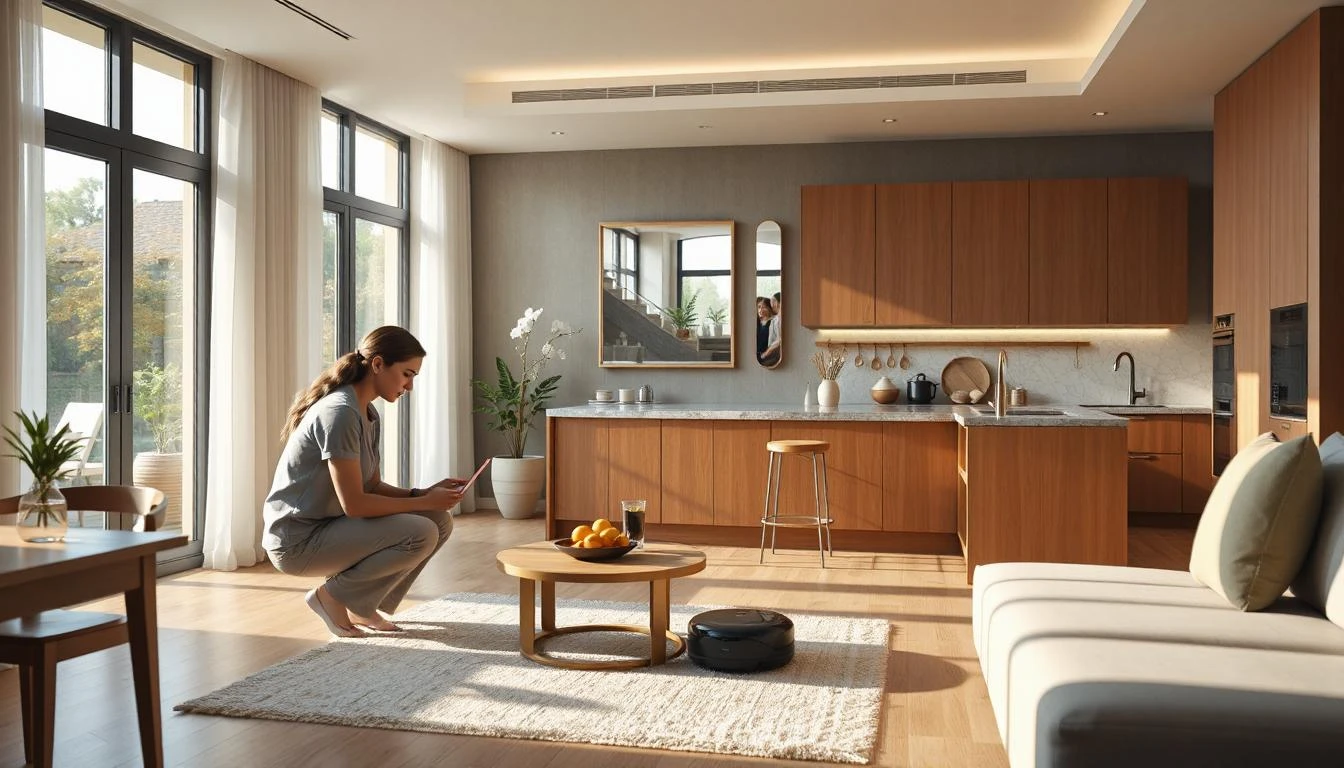
Artificial intelligence has become the silent backbone of many smart home systems. Modern AI-driven devices can study user behavior patterns, identify routines, and automate repetitive tasks without requiring constant manual adjustments. Smart thermostats can learn sleeping habits, robotic vacuums can recognize room layouts, and lighting systems can adjust brightness depending on natural daylight conditions.
Connected Ecosystem Integration
One of the most important changes in smart home development is the shift toward connected ecosystems. Devices are no longer designed to operate independently. Technology strategist Benedict Evans once noted that “the future of connected technology is less about individual devices and more about invisible systems working quietly in the background.” That observation explains why seamless integration is becoming one of the most valuable aspects of smart living today.
Energy Efficient Smart Devices
Energy efficiency has become a major reason why smart devices continue gaining popularity worldwide. Rising electricity costs and environmental concerns are encouraging homeowners to invest in technologies capable of reducing waste without sacrificing comfort. Smart lighting systems automatically switch off when rooms are empty, while intelligent thermostats optimize energy usage based on occupancy patterns. Smart plugs can also monitor electricity consumption in real time, helping households identify devices that consume unnecessary power throughout the day.
Everyday Convenience Through Smart Devices
Technology becomes truly valuable when it simplifies ordinary routines without creating additional complexity. That is exactly why smart devices are becoming deeply integrated into modern lifestyles. They reduce friction in everyday tasks, allowing people to focus more on experiences and less on repetitive household management.
Voice Assistant Daily Functions
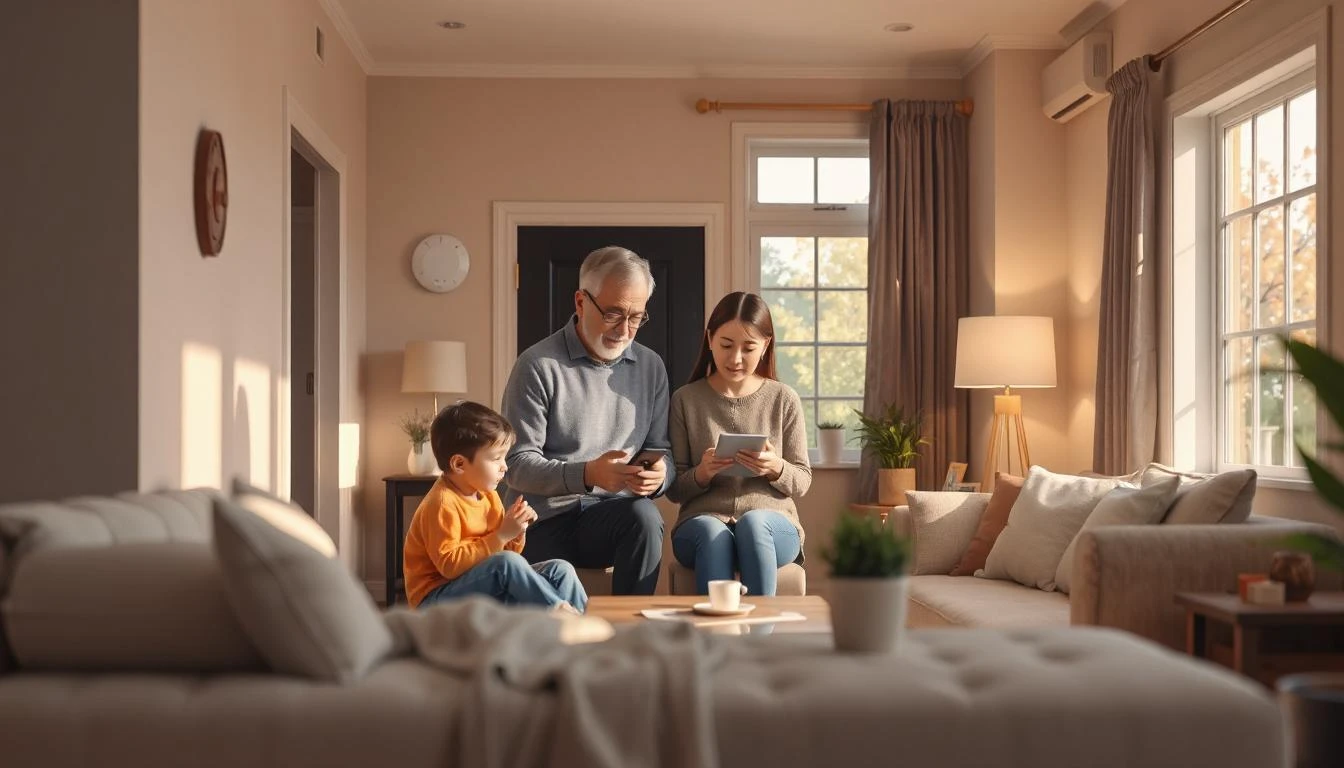
Voice assistants have evolved far beyond basic commands like setting alarms or checking the weather. Today’s AI assistants can manage shopping lists, organize schedules, control entertainment systems, and even automate household routines based on personal preferences. Natural language processing has improved dramatically in recent years, making interactions feel smoother and more conversational. Many smart assistants can now recognize individual voices within households, allowing customized responses for different family members.
Smart Kitchen And Appliance Systems
The kitchen is becoming one of the most technologically advanced areas inside modern homes. Smart refrigerators can monitor food inventory, suggest recipes, and send expiration reminders directly to smartphones. Smart ovens allow remote temperature adjustments and automated cooking schedules through mobile applications.
Wearable Technology Synchronization
Wearable technology is now deeply connected with smart home systems. Fitness trackers, smartwatches, and health-monitoring devices can synchronize directly with household automation platforms to create highly personalized experiences.
Future Innovation In Smart Homes
The future of smart living is no longer focused only on convenience. Innovation is now moving toward predictive intelligence, preventive health support, and environmentally sustainable technology. Smart homes are gradually evolving into adaptive spaces capable of responding dynamically to changing lifestyles and individual needs.
Predictive AI For Personalized Living
Predictive AI is becoming one of the most exciting developments in smart home technology. These systems analyze user habits and environmental data to anticipate needs before commands are even given.
Smart Health Monitoring Devices
Health-focused smart devices are becoming increasingly important within connected home environments. Advanced sensors can monitor sleep quality, indoor air conditions, stress levels, hydration patterns, and even heart rate variability in real time.
Sustainable Technology Development
Sustainability is now shaping the direction of future smart device innovation. Technology companies are investing heavily in recyclable materials, energy-efficient processors, and environmentally friendly manufacturing systems. Smart irrigation systems reduce unnecessary water consumption by analyzing weather forecasts, while adaptive energy grids help optimize electricity distribution more efficiently. Intelligent appliances are also being designed to minimize resource usage without compromising performance.
Explore Smarter Living For The Future
The future of smart living is not about replacing human interaction with machines. It is about creating living spaces that quietly support comfort, efficiency, safety, and sustainability without making daily routines feel complicated. The most successful technologies are often the ones people barely notice because they integrate naturally into ordinary life. As smart ecosystems continue evolving, homes are becoming more adaptive, responsive, and personalized than ever before. You can already see how connected systems are changing expectations around comfort, health monitoring, energy management, and home security.
What once sounded futuristic is now steadily becoming standard. The evolution of connected smart living innovation shows that modern homes are no longer static environments. They are becoming intelligent spaces capable of learning, responding, and improving alongside the people living inside them. The earlier homeowners begin adapting to this transformation, the easier it becomes to build living environments prepared for the future.